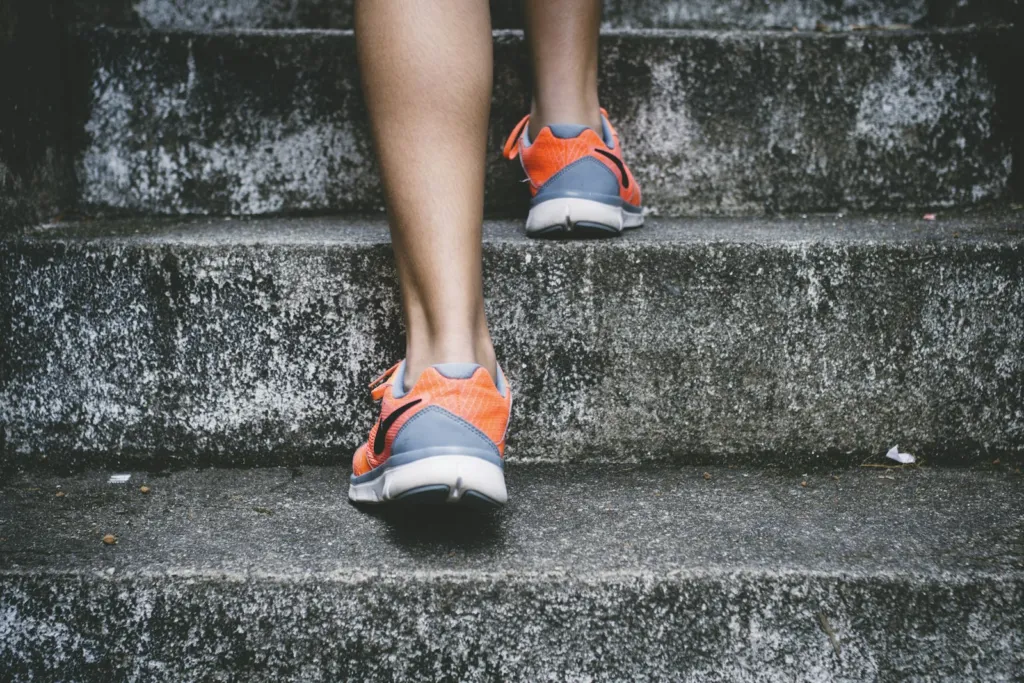
Is walking really exercise? For a lot of people it is the easiest and most sustainable way to become more active. It needs no gym, no special skills and very little equipment. You can start from your front door today, and you can build it up gradually as your fitness improves.
This guide explains how to begin walking for fitness, how to tell whether you are walking briskly enough, and how to follow a gentle four-week plan that turns short strolls into a regular habit.
Why Walking Works So Well for Beginners
Walking is low impact, which means it is kinder on the joints than running or jumping. It is easy to adjust: you can slow down, take a break or turn around whenever you need to. It also fits into ordinary life. A walk can replace a short drive, become part of your commute or turn a phone call into active time.
For adults, the NHS suggests aiming for at least 150 minutes of moderate-intensity activity a week, along with muscle-strengthening activities on two or more days. Brisk walking counts towards that moderate activity total, so it is a practical place to start.
How Brisk Is Brisk Enough?
You do not need a heart rate monitor to judge your effort. A simple way is the talk test:
- Easy pace: you could sing comfortably. Good for warming up and cooling down.
- Brisk pace: you can still talk, but singing would be hard. This is the moderate effort to aim for.
- Too hard for now: you can only manage a few words at a time. Ease off a little.
Your breathing should be faster than normal and you may feel warm, but you should never feel dizzy or in pain. If you do, stop and rest.
Before Your First Walk
Choose Comfortable Footwear
Supportive trainers or walking shoes that fit well matter more than any other piece of kit. Your toes should have a little room, and your heel should not slip. Wear socks that keep your feet dry to help prevent blisters.
Plan a Simple Route
Pick a safe, well-lit loop near home, ideally with even paths. A loop lets you finish where you started, and you can extend it later by adding an extra street or park lap.
Dress for the Weather
Layers are easier to manage than one heavy coat. In warm weather, carry water and walk in the cooler parts of the day. In the dark, wear something reflective.
A Four-Week Beginner Walking Plan
This plan starts small on purpose. Each session begins and ends with a few minutes at an easy pace. If a week feels too hard, repeat it before moving on; there is no prize for rushing.
| Week | Sessions per week | Brisk walking time | Focus |
|---|---|---|---|
| Week 1 | 3 | 10 minutes | Build the habit and find a comfortable route |
| Week 2 | 4 | 15 minutes | Practise the talk test and steady breathing |
| Week 3 | 4–5 | 20 minutes | Add a gentle hill or a slightly longer loop |
| Week 4 | 5 | 25–30 minutes | Mix one longer weekend walk with shorter weekday walks |
By the end of week four, five walks of about 30 minutes add up to roughly 150 minutes of brisk walking, which lines up with the weekly guideline mentioned above.
Ways to Make Walks More Interesting
Once walking feels routine, small changes keep it fresh and gradually more challenging:
Vary the terrain. Parks, towpaths and gentle hills all ask slightly different things of your legs.
Try intervals. Alternate a few minutes of brisk walking with a minute or two of faster walking, then return to your normal pace.
Walk with company. A friend, family member or local walking group can make it easier to turn up on days when motivation is low.
Listen to something. A podcast or audiobook can make a longer walk pass quickly. Keep the volume low enough to hear traffic.
Adding Strength on Other Days
Walking is excellent for your heart and lungs, but it does not cover everything. Muscle-strengthening exercises help with everyday tasks such as climbing stairs and carrying shopping. If you would like a simple place to start, our beginner bodyweight workout at home uses no equipment and pairs well with a walking routine.
Staying Safe and Listening to Your Body
Some stiffness in the first week is common, but sharp pain, chest discomfort, unusual breathlessness or dizziness are signs to stop and seek advice. Build up gradually, rest when you need to and drink water on longer or warmer walks.
This article is general information, not medical advice. If you have a health condition, are pregnant, or have not been active for a long time, talk to a qualified professional such as your doctor before starting a new exercise plan.
For more ideas on moving more each day, browse our fitness guides, or explore practical everyday articles on Rashywings.com.
Frequently Asked Questions
How many steps a day should a beginner aim for?
There is no single number that suits everyone. Rather than chasing a step count, many beginners find it easier to focus on minutes of brisk walking each week. Start with what feels manageable, then add a few minutes every week or two.
Is it better to walk in the morning or the evening?
The best time is the one you can stick to. Some people like a morning walk to wake up, while others prefer an evening walk to unwind after work. Consistency matters more than the time of day.
Can I split my walking into shorter sessions?
Yes. Several short brisk walks across the day, such as ten minutes at lunch and ten minutes after dinner, still add to your weekly activity. This can be easier to fit into a busy schedule.
Do I need special walking shoes?
You do not need anything expensive. Comfortable, supportive trainers or walking shoes that fit well are enough for most pavement and park walks. Choose sturdier footwear with more grip for rough or muddy paths.