Bones can seem like a fixed frame, but they are living tissue that is constantly being broken down and rebuilt. During childhood and early adulthood we build up bone, and later in life we gradually lose some of it. The habits you keep at any age influence how strong your bones are and how well they hold up over time.
This article looks at four areas that matter most for bone health: what you eat, how you move, how you protect yourself from falls, and lifestyle choices.
This is general information, not medical advice. Talk to a doctor or other qualified professional about your own bone health, supplements or risk of osteoporosis.
1. Eat for Your Bones
Calcium
Calcium is the main mineral in bone. Good sources include:
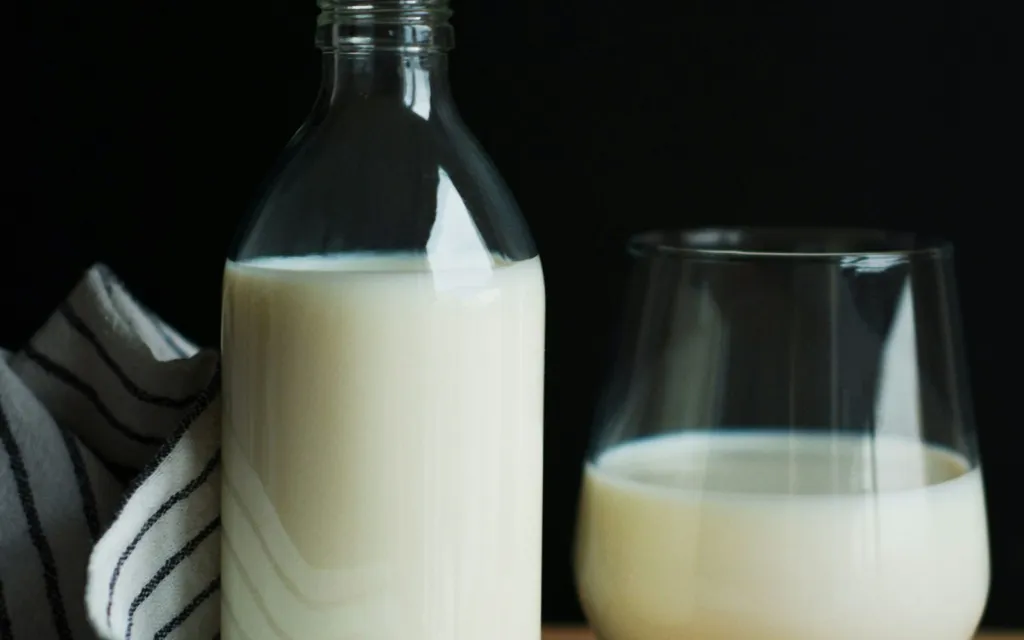
- milk, yogurt and cheese;
- calcium-fortified plant drinks, yogurts and some breakfast cereals;
- tofu made with calcium;
- green leafy vegetables such as kale and broccoli;
- canned fish where you eat the soft bones, such as sardines;
- almonds, sesame seeds and dried figs.
Needs vary by age, sex and life stage, so check national guidance or ask a health professional rather than guessing.
Vitamin D
Vitamin D helps your body absorb calcium. Much of it is made in the skin when it is exposed to sunlight, and it is also found in oily fish, egg yolks and fortified foods. In places with long winters, or for people who spend little time outdoors, health authorities often advise considering a supplement. Your doctor or pharmacist can tell you what is appropriate for you.
The Wider Diet
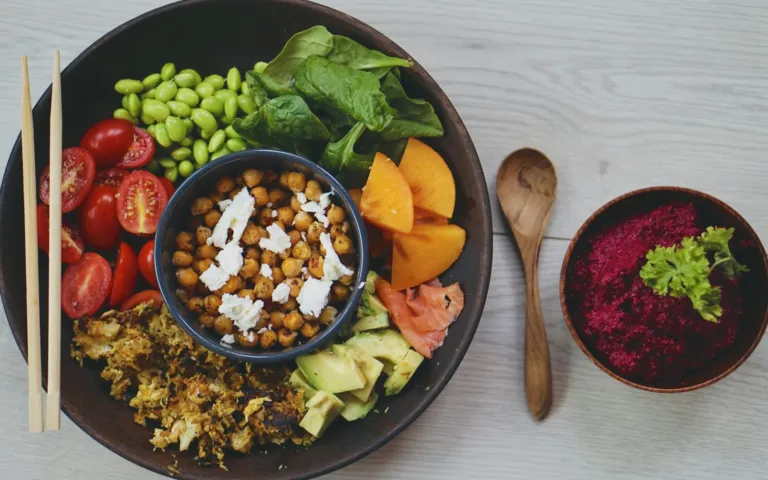
Protein, fruit and vegetables also play a part in keeping bones healthy. A varied, balanced diet is a better approach than focusing on a single nutrient. If you want a simple way to structure meals, see our guide on how to build a balanced plate for everyday meals.
2. Move in Ways That Load Your Bones
Bones respond to the forces placed on them. Two types of activity are especially helpful.
Weight-Bearing Activity
This means activity where your feet and legs support your body weight, such as brisk walking, dancing, stair climbing, jogging and racket sports. Swimming and cycling are excellent for the heart and muscles, but they put less load on bones, so it is worth mixing them with something weight-bearing.
Muscle-Strengthening Exercise
Working your muscles also pulls on your bones. Options include lifting weights, using resistance bands, bodyweight exercises such as squats and wall press-ups, and heavy gardening. Most guidelines suggest including strength work on at least two days a week.
If you are new to exercise, have a health condition or already have low bone density, ask a doctor or physiotherapist which activities are safe for you.
3. Protect Yourself From Falls
Strong bones are only part of the picture; avoiding falls matters too, especially later in life. Practical steps include:
- practising balance exercises, such as standing on one leg near a sturdy support, or trying tai chi;
- keeping floors clear of clutter and securing loose rugs;
- using good lighting on stairs and at night;
- wearing well-fitting, supportive shoes;
- having your eyesight checked regularly;
- asking a pharmacist whether any of your medicines can cause dizziness.
4. Lifestyle Choices That Matter
Some everyday choices affect bones more than people expect:
- Do not smoke. Smoking is linked with weaker bones. Support to quit is widely available.
- Keep alcohol within recommended limits. Drinking heavily can harm bones and increase the risk of falls.
- Avoid very restrictive dieting. Being significantly underweight is a risk factor for bone loss.
Putting It Together in a Normal Week
You do not need a special programme to look after your bones. A realistic week might include a few brisk walks, two short strength sessions at home using bodyweight or resistance bands, a couple of minutes of balance practice while the kettle boils, and meals that regularly include calcium-rich foods. Spending some time outdoors in daylight, with sensible sun protection, fits naturally alongside these habits.
Bone Health at Different Life Stages
Childhood and the teenage years are when the most bone is built, so active play and a nourishing diet matter. In adulthood, the goal is to maintain bone through regular activity and good nutrition. After menopause, bone loss can speed up for women, and both men and women lose bone gradually with age. That makes strength, balance and fall prevention increasingly important.
Talk to a doctor about bone health if you have had a fracture from a minor fall, have a family history of osteoporosis, have taken steroid medicines for a long time, or have conditions that affect hormone levels or nutrient absorption. They may suggest an assessment or a bone density scan.
For more on caring for your body, browse our healthy bodies articles, and you can find more practical guides on Rashywings.com.
Frequently Asked Questions
Is it ever too late to improve bone health?
No. While most bone is built when we are young, activity, good nutrition and fall prevention still help adults of every age. A professional can tailor advice if you already have low bone density.
Can I get enough calcium without dairy?
Yes. Fortified plant drinks and yogurts, calcium-set tofu, leafy greens, canned fish with soft bones, almonds and sesame seeds can all contribute. A dietitian can help you plan a dairy-free diet.
Should I take a vitamin D supplement?
It depends on where you live, the time of year, your diet and your health. Many health authorities recommend considering one in certain situations, so ask your doctor or pharmacist what suits you.
Is walking enough exercise for strong bones?
Brisk walking is a good weight-bearing activity and an excellent start. Adding muscle-strengthening and balance exercises a few times a week gives your bones a wider range of helpful challenges.