Healthy eating advice can feel complicated, with endless lists of foods to eat and avoid. The balanced plate method cuts through the noise. Instead of counting or weighing, you simply look at your plate and divide it into sections. It works for breakfast, lunch and dinner, at home or eating out, and it adapts to almost any cuisine or budget.
This is general information, not medical advice. Talk to a doctor or registered dietitian about your own dietary needs, especially if you have a health condition or food allergy.
The Basic Balanced Plate
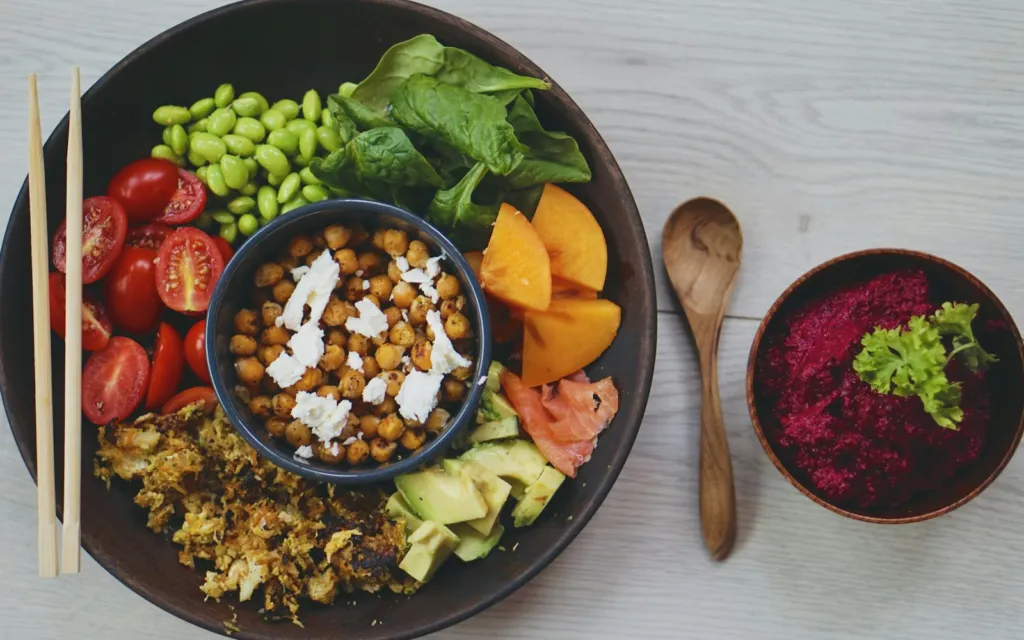
Many public health nutrition guides use a version of the same picture. Imagine your plate split into parts:
| Section | What Goes There | Examples |
|---|---|---|
| About half | Vegetables and fruit | Leafy greens, carrots, peppers, broccoli, tomatoes, berries, apples |
| About a quarter | Whole grains and starchy foods | Brown rice, wholewheat pasta, oats, quinoa, potatoes with skins |
| About a quarter | Protein | Beans, lentils, eggs, fish, chicken, tofu, nuts |
| A small amount | Healthy fats | Olive or rapeseed oil, avocado, seeds |
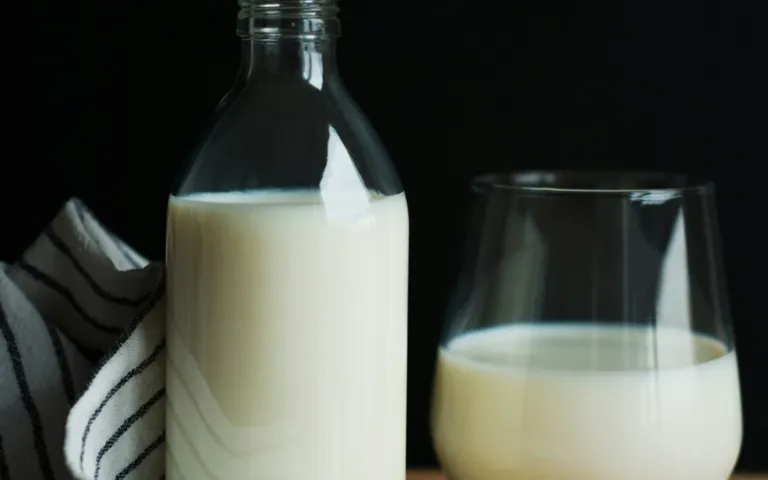
| Alongside | A drink | Water, or milk or a fortified plant drink |
This is a guide, not a strict rule. Some meals will lean more one way than another, and that is fine. The aim is a good overall balance across the day and the week.
Filling Each Section Well
Vegetables and Fruit: Aim for Variety
Different colours tend to provide different vitamins, minerals and plant compounds, so mix things up. Fresh, frozen and canned options all count. Frozen vegetables are convenient and keep well, and canned options are best chosen in water or juice with no added salt or sugar.
Grains: Choose Wholegrain Where You Can
Wholegrain versions keep more of the grain’s fibre, which helps you feel full and supports digestion. Try swapping half your white rice for brown, or choosing wholemeal bread. Potatoes count here too; leaving the skins on adds fibre.
Protein: Mix Plant and Animal Sources
Beans, lentils and chickpeas are inexpensive and provide both protein and fibre. If you eat meat, leaner cuts and fish are good choices, and it is widely recommended to limit processed meats such as bacon and sausages.
Fats: A Little Goes a Long Way
Fats are important for the body, but they are energy-dense. Use oils in small amounts and favour unsaturated sources such as olive oil, nuts, seeds and avocado over butter and lard.
Example Balanced Plates
- Breakfast: porridge oats topped with berries and a spoonful of nuts or seeds, with a glass of milk or fortified plant drink.
- Lunch: a wholemeal wrap filled with hummus, grated carrot, spinach and peppers, with an apple on the side.
- Dinner: baked salmon or tofu, a portion of brown rice and a large serving of roasted vegetables.
- Bowl meal: quinoa, chickpeas, tomatoes, cucumber, leafy greens and a drizzle of olive oil and lemon.
Applying the Plate to Mixed Dishes
Not every meal fits neatly into sections. For stews, curries, pasta dishes and soups, think about the ingredients instead. Ask yourself whether there are enough vegetables, a source of protein and some wholegrain or starchy food. If a dish is light on vegetables, add a side salad or a handful of frozen peas or spinach while it cooks.
Plan Ahead to Make It Easier
Balanced meals are much easier when the ingredients are already in the house. A little planning at the start of the week goes a long way.
Keep a few reliable basics on hand: frozen vegetables, canned beans and tomatoes, eggs, oats, wholegrain rice or pasta and a bag of mixed nuts or seeds. With these in the cupboard, you can put together a balanced meal even on a day when you have not been to the shops.
Batch cooking helps too. A large pot of vegetable and lentil soup, a tray of roasted vegetables or a batch of cooked grains can form the base of several meals. When you are short of time, you simply add a protein and a few fresh ingredients.
Small Swaps That Make a Difference
- Add an extra vegetable to pasta sauces, omelettes and soups.
- Replace some of the meat in a recipe with beans or lentils.
- Use a smaller amount of cheese with a stronger flavour.
- Season with herbs, spices, garlic and lemon instead of extra salt.
- Keep fruit visible on the kitchen counter for easy snacks.
Balance Over Perfection
No single meal makes or breaks a healthy diet. Treats and takeaways can be part of balanced eating; the plate method simply helps make everyday meals more nourishing. What you eat also supports long-term health in ways you cannot see, such as your bones. Our guide to everyday habits that support strong, healthy bones explains how food and activity work together.
Discover more articles in our healthy bodies section. You can find more practical guides on Rashywings.com.
Frequently Asked Questions
Does the balanced plate work for vegetarians and vegans?
Yes. Simply fill the protein section with plant sources such as beans, lentils, chickpeas, tofu, tempeh, nuts and seeds. Vegans may want to speak with a dietitian about nutrients such as vitamin B12, iodine and calcium.
Do I need to use a smaller plate?
Not necessarily. Plate size can influence how much you serve, but the main idea is the proportion of each food group. Listen to your hunger and fullness cues as well.
Can I use the plate method for children?
The same general idea applies to children, though portion sizes are smaller and needs change with age. For specific advice, speak with a health visitor, paediatrician or dietitian.
Where do snacks fit in?
Snacks can follow the same thinking. Pair a fruit or vegetable with a little protein or healthy fat, such as an apple with a few nuts or carrot sticks with hummus.