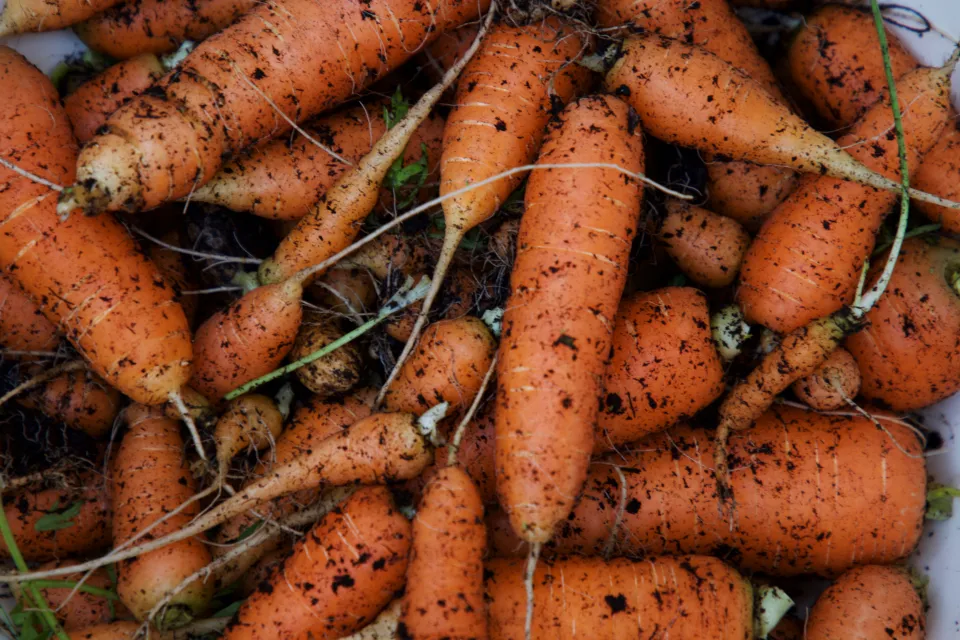
Picking a handful of salad leaves or a ripe tomato that you grew yourself is one of the simplest pleasures a home can offer. You do not need a large plot or years of experience: a small, well-planned vegetable garden can fit into a corner of the yard, a patio or a sunny balcony.
This guide walks through the whole process in order: choosing a spot, preparing soil, picking crops, planting and looking after your plants until harvest.
Step 1: Find the Sunniest Spot You Have
Sunlight is the single most important factor for most vegetables. Fruiting crops such as tomatoes, peppers, beans and courgettes generally need at least six to eight hours of direct sun a day. Leafy greens and many herbs can cope with a little less, which makes them useful for spots that get shade for part of the day.
Spend a day noting where the sun falls in the morning, at midday and in the afternoon. Also think about practical details:
- Water access: a bed close to a tap or water butt is far more likely to be watered regularly.
- Shelter: strong wind dries soil and can snap young stems, so a fence or hedge nearby helps.
Step 2: Choose Between Ground Beds, Raised Beds and Containers
Each option has advantages, and the right choice depends on your space and soil.
| Option | Best for | Things to keep in mind |
|---|---|---|
| In-ground bed | Yards with reasonable, well-drained soil | Cheapest to set up, but you may need to dig out grass and improve heavy or stony soil. |
| Raised bed | Poor soil, wet ground or anyone who prefers less bending | Warms up earlier in spring and drains well; needs filling with a soil and compost mix. |
| Containers | Balconies, patios and renters | Portable and tidy, but dry out quickly and need a large enough pot for each crop. |
For a first season, one raised bed or three to five large containers is plenty. It is far better to manage a small space well than to struggle with a large one.
Step 3: Prepare the Soil
Healthy soil grows healthy plants. Remove weeds and large stones, then loosen the top layer with a fork. Mix in a generous layer of well-rotted compost or manure, which improves structure, holds moisture and feeds soil life.
If you are filling a raised bed or containers, use a good-quality soil and compost mix rather than plain garden soil, which can compact in pots. Leave a few centimetres of space below the rim so water does not run straight off.
Step 4: Pick a Short List of Crops
Grow what you actually like to eat, and keep the list short. A sensible beginner mix might include:
- One or two leafy crops, such as lettuce or spinach, for quick harvests.
- One fast root crop, such as radishes, which can be ready in a few weeks.
- One climbing or bush crop, such as beans or peas.
- One fruiting plant, such as a tomato or courgette, if you have enough sun.
- A few herbs, such as parsley, chives or basil, near the kitchen door if possible.
Check the seed packet or plant label for spacing, sowing times and how much sun each crop needs. Local frost dates matter too, so tender plants like tomatoes and basil should go out only after the risk of frost has passed in your area.
Step 5: Plant With Care
Water the soil the day before planting so it is moist but not soggy. Sow seeds at the depth shown on the packet; a common rule of thumb is about two to three times the width of the seed. For young plants, dig a hole slightly larger than the root ball, set the plant in, firm the soil gently and water well.
Step 6: Look After the Garden Week by Week
Watering
Water deeply and less often rather than giving a light sprinkle every day, which encourages shallow roots. Aim the water at the soil, not the leaves.
Mulching and weeding
A layer of mulch, such as straw, shredded leaves or compost, helps keep moisture in and weeds down. Pull any weeds while they are small, ideally after rain when the soil is soft.
Watching for pests
Walk around the garden every couple of days. Catching problems early, such as slugs on young lettuce or aphids on bean tips, makes them much easier to deal with. Hand-picking, barriers and encouraging helpful insects with a few flowers nearby are gentle first steps.
Step 7: Harvest Often
Many crops produce more when you pick them regularly. Beans, courgettes and salad leaves in particular respond well to frequent harvesting. Keep notes on what grew well so next season is even easier.
Once the garden is running, it can become part of a calmer household routine. If you are also making space indoors, our guide on how to declutter your home room by room pairs well with a new outdoor project.
Frequently Asked Questions
How much space do I need to start a vegetable garden?
Very little. A single raised bed of about one by two metres, or a few large containers on a sunny balcony, is enough to grow salad leaves, herbs and a couple of fruiting plants such as tomatoes or beans. Starting small also makes watering and weeding far easier to keep up with.
What are the easiest vegetables for a first garden?
Fast, forgiving crops are the best place to begin. Lettuce and other salad leaves, radishes, bush beans, courgettes (zucchini), peas and herbs such as parsley and chives are widely recommended for beginners because they grow quickly and tolerate small mistakes.
How often should I water a new vegetable garden?
There is no fixed schedule because it depends on weather, soil and plant size. Check the soil with your finger: if it feels dry a few centimetres down, water deeply at the base of the plants. Containers and raised beds usually dry out faster than ground beds, especially in hot or windy weather.
Do I need to use fertiliser?
Most beginners get good results by mixing well-rotted compost into the soil before planting and adding a little more during the season. Hungry crops such as tomatoes may benefit from an extra feed once they start flowering. Always follow the directions on any product you use, as too much can harm plants.
Explore more ideas for the house and yard in our Home & Garden section, and find more practical guides on Rashywings.com.