Your favourite jumper pills after a few months. A black T-shirt fades to charcoal. Jeans that fitted perfectly in spring feel stiff and shrunken by autumn. Most of this wear is not bad luck; it comes from everyday habits in the laundry room and the wardrobe.
Looking after clothes saves money, keeps outfits looking sharp and means fewer items end up being replaced. None of the habits below need special equipment. They are small changes that add up.
Read the Care Label First
The small label sewn into a garment tells you the safest way to wash, dry and iron it. The symbols can look cryptic, but they follow a simple system: a tub for washing, a square for drying, an iron for ironing and a circle for professional cleaning. Dots usually indicate temperature, with more dots meaning hotter. A cross through a symbol means “do not”. It is worth looking up a care symbol chart once and keeping it handy near the washing machine.
Wash Less Often
Every wash cycle causes some friction and fading. Many items do not need washing after every wear. Jeans, jumpers, coats and trousers can often be worn several times if they are aired out between wears. Spot-clean small marks with a damp cloth instead of washing the whole garment. Underwear, socks, sportswear and anything worn close to the skin in hot weather are the exceptions and should be washed regularly.
Wash Smarter
When clothes do need a wash, a few adjustments reduce wear:
- Use cooler water for everyday loads. Lower temperatures are gentler on colours and fibres and help prevent shrinking. Follow the label for items that need a hotter wash.
- Turn clothes inside out. This protects printed designs, dark denim and knitwear from rubbing.
- Close zips and fasten hooks so they do not snag other items.
- Sort by colour and fabric. Wash darks together, and keep heavy items such as towels away from delicate tops.
- Do not overload the machine. Clothes need room to move to get clean and to avoid excess creasing.
- Use the right amount of detergent. More is not better; extra detergent can leave residue that dulls fabric.
- Use mesh bags for delicates such as lingerie, tights and fine knits.
Dry Gently
High heat is one of the main causes of shrinking and fibre damage. Air-drying on a rack or line is the gentlest option for most clothes. Hang shirts on hangers to reduce creases, and lay knitwear flat on a towel so it does not stretch out of shape. Dry dark and bright colours out of strong direct sunlight to limit fading. If you use a tumble dryer, choose a lower heat setting and remove clothes promptly.
Store Clothes the Right Way
Fold knits, hang structured pieces
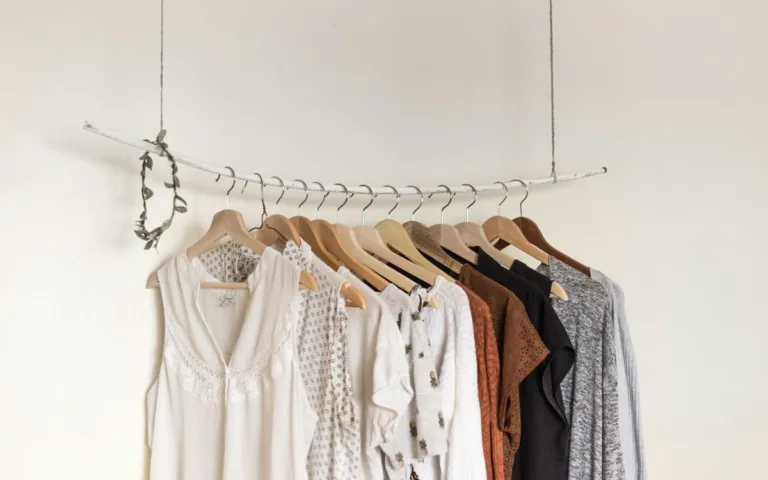
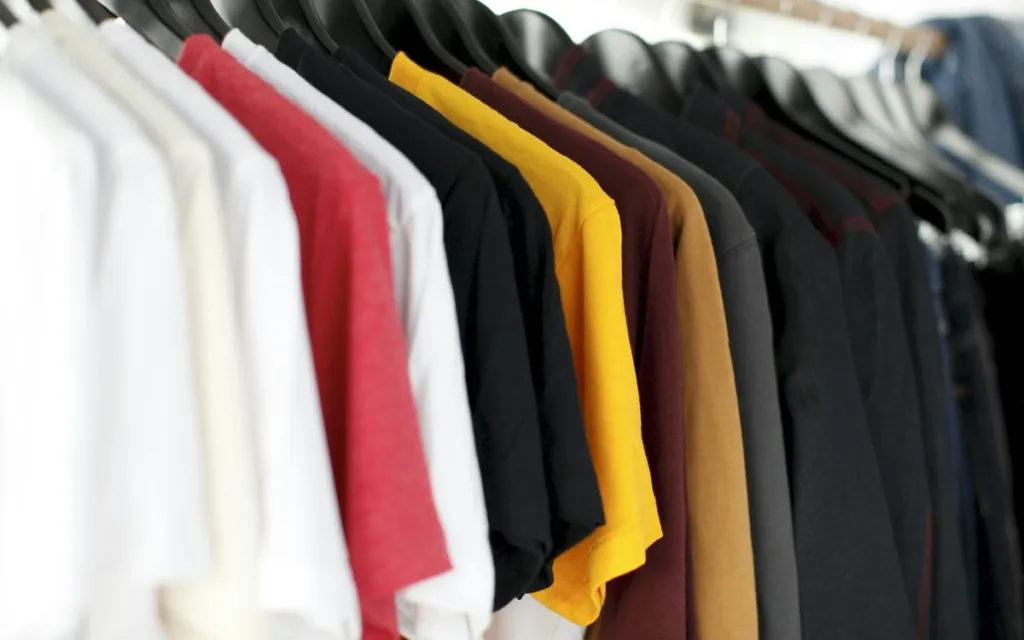
Jumpers and heavy knits can stretch at the shoulders when hung for long periods, so fold them. Shirts, blazers, coats and dresses keep their shape better on sturdy hangers with a shape that supports the shoulders.
Give clothes some space
An overstuffed wardrobe crushes fabric and creates creases. A little breathing room also makes it easier to see what you own, so you wear more of it.
Protect seasonal items
Clean clothes before storing them for a season, because stains can set and food residue can attract moths. Store them in breathable fabric bags or boxes in a cool, dry place rather than sealed plastic, which can trap moisture.
Fix Small Problems Early
A loose button, a small seam split or a dropped hem takes minutes to fix and can become a large tear if ignored. A basic sewing kit with a few needles, neutral threads and spare buttons covers most small repairs. Learning a simple running stitch and how to sew on a button are skills that pay off for years. For bigger jobs, such as replacing a zip or altering a fit, a local tailor or repair shop is often worth the cost.
Pilling, those small balls of fibre on knitwear, can be removed carefully with a fabric shaver or a de-pilling comb. Work gently over a flat surface and avoid pulling the bobbles off by hand, which can loosen the knit.
Rotate What You Wear
Wearing the same pair of shoes or jeans every day speeds up wear. Rotating between a few items gives fabrics and materials time to recover, and shoes time to dry out fully between wears.
Small Habits, Long-Lasting Clothes
You do not need to adopt every tip at once. Start with the easiest wins, such as cooler washes, air-drying and folding knitwear, then build from there. Clothes treated well keep their colour, shape and fit noticeably longer.
Caring for clothes pairs naturally with owning fewer, better-loved pieces. Read our step-by-step guide on how to build a capsule wardrobe, browse the Fashion category, or find more practical everyday guides on Rashywings.com.
Frequently Asked Questions
How often should I wash jeans?
Jeans usually do not need washing after every wear. Many people wash them only when they look or smell dirty, airing them out between wears and spot-cleaning marks. Washing inside out in cool water helps keep the colour.
Why do my clothes shrink in the wash?
Shrinking is usually caused by heat and agitation, especially in natural fibres such as cotton and wool. Washing at cooler temperatures, using gentle cycles and air-drying instead of high-heat tumble drying all reduce the risk.
Is it better to fold or hang jumpers?
Folding is generally better for jumpers and heavy knits, because hanging them for long periods can stretch the shoulders and neckline. Store folded knits on a shelf or in a drawer with a little space around them.