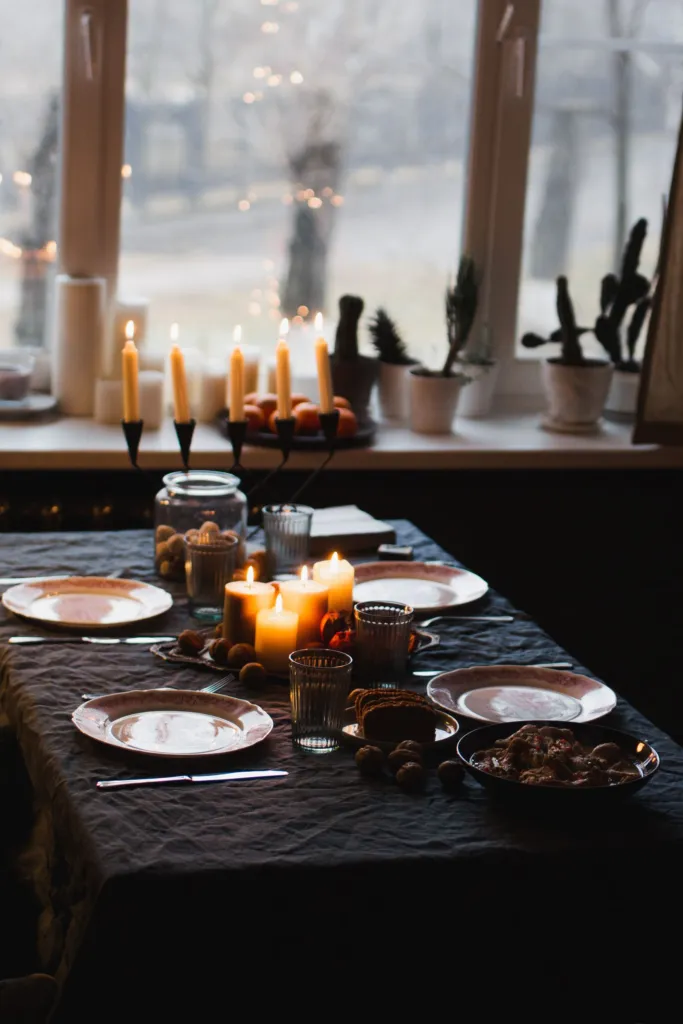
A dinner party does not need a formal dining room, matching china or restaurant-level cooking. At its heart, it is simply a group of people sharing a meal and good conversation in your home. The most memorable evenings are often the simplest ones, where the host is relaxed enough to enjoy the company. This guide explains how to host a dinner party with a calm, step-by-step approach, working backwards from the night itself.
One Week Before: Guests and Basics
Choose a manageable guest list
Six to eight people, including you, is a comfortable size for most homes. It is large enough for lively conversation but small enough to cook for and seat around one table. Think about how guests will get on: a mix of close friends and one or two new faces often works well, especially if you introduce them with a shared interest in mind.
Send clear invitations
Include the date, start time, address and whether guests should bring anything. Ask about allergies and dietary needs at this point, not on the day. A short reminder message a day or two before is helpful for everyone.
Plan a Menu That Lets You Sit Down
The biggest mistake new hosts make is choosing dishes that keep them in the kitchen all evening. Build the menu around food that can be prepared ahead and finished quickly.
| Course | Make-ahead ideas | Why it works |
|---|---|---|
| Starter or nibbles | Dips with bread and vegetables, a simple soup, a cheese board | Ready before guests arrive |
| Main | Slow-cooked stews, oven-roasted traybakes, pasta bakes, curries | Holds well in a low oven if timing shifts |
| Side | A large salad, roasted vegetables, rice or crusty bread | Easy to scale for more guests |
| Dessert | Fruit crumble, a chilled tart, bought ice cream with fresh berries | Prepared the day before or bought in |
Cook dishes you have made before rather than testing a complicated new recipe on the night. If a guest offers to bring something, say yes; dessert or drinks are easy to delegate.
Two Days Before: Shop and Prepare
Write a shopping list from your menu and check you have enough plates, glasses, cutlery and chairs. Borrowing a few chairs from a neighbour is completely normal. Buy non-perishables early and fresh items the day before. Any chopping, sauces and dessert that keep well can be prepared now to free up the day of the dinner.
On the Day: Set the Scene
Lay the table a few hours before guests arrive. It does not need to be elaborate: a clean tablecloth or bare wooden table, a glass for water, a napkin, and cutlery laid in the order it will be used are enough. Low candles and a small vase of flowers add warmth without blocking views across the table. Keep centrepieces low so people can see and talk to each other.
Clear a space for coats and bags, run the dishwasher or empty the sink so there is room for dirty plates, and put on quiet background music. Then take fifteen minutes for yourself before the doorbell rings.
During the Evening
- Welcome each guest with a drink, including at least one appealing non-alcoholic option.
- Introduce people to each other with a detail they might share, such as a hobby or recent trip.
- Serve family-style by placing dishes on the table so guests help themselves; it is relaxed and reduces your trips to the kitchen.
- Keep conversation inclusive by drawing quieter guests in with an open question.
- Leave the washing up until after everyone has gone, or accept a guest’s offer to help clear plates.
Handling Common Hiccups
Something small almost always goes differently than planned, and guests rarely notice. If a dish is running late, bring out extra nibbles and another round of drinks. If a guest cancels, simply adjust the seating. If a dish does not turn out as hoped, keep calm and focus on the company; most people remember the atmosphere far more than any single plate of food.
After the Party
Once the last guest has left, deal with anything perishable first: cover leftovers and put them in the fridge, then leave soaking pans for the morning if you are tired. Make a quick note of what worked well and what you would change, such as a dish that took too long or a seating arrangement that kept conversation flowing. Those notes make the next dinner party even easier to plan.
A short message the next day thanking guests for coming is a warm finishing touch, and it often leads to return invitations. Over time, regular gatherings like this are one of the most effective ways to strengthen friendships; our guide on how to make friends as an adult explains why repeated contact matters so much. Explore more ideas for gatherings and relationships in the Social Life section, and find more practical guides on Rashywings.com.
Frequently Asked Questions
How many people should I invite to my first dinner party?
Four to six guests is a comfortable number for a first dinner party. It keeps cooking and seating manageable while still giving the evening a lively feel. You can increase the number once you are confident with the menu and timing.
What is the easiest main course for a dinner party?
Dishes that cook slowly or in a single tray are usually easiest, such as stews, curries, pasta bakes or roasted traybakes. They can be prepared ahead, hold well in a warm oven and are simple to serve to a group.
How do I handle guests with different dietary needs?
Ask about allergies and preferences when you send invitations. Plan at least one main dish or generous side that suits everyone, label dishes where useful, and keep ingredients for allergy-sensitive guests separate during cooking and serving.