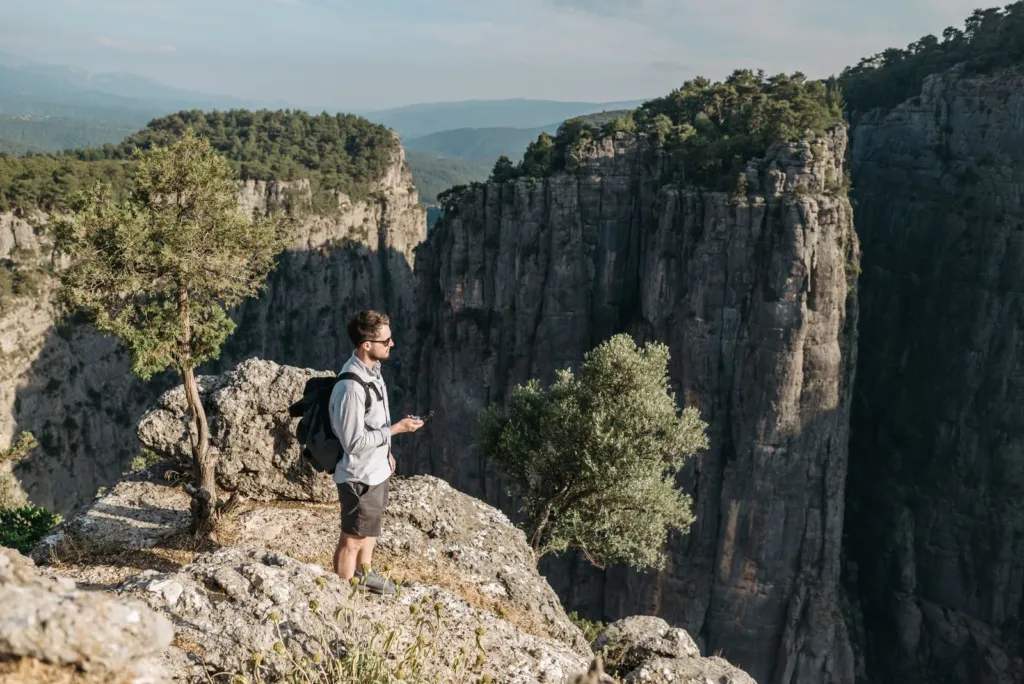
Travelling alone for the first time can feel both exciting and nerve-racking. There is nobody to share decisions with, but also nobody to compromise with: you choose where to go, what to see and when to rest. Many people find their first solo trip builds confidence in a way few other experiences do. These solo travel tips for beginners focus on the practical side, so you can spend less time worrying and more time enjoying the journey.
Choosing Your First Destination
A first solo trip does not have to be far away or adventurous. In fact, starting somewhere manageable makes it easier to learn the skills of travelling alone. Good first destinations usually share a few qualities:
- reliable public transport, so you do not need to drive;
- a well-established visitor scene, with plenty of accommodation and information;
- a language you speak or a place where your language is widely understood;
- a reputation for being welcoming to independent travellers.
A weekend in a nearby city is a perfectly good start, because it lets you practise navigating, eating out alone and planning your own days with a familiar safety net close by. Once you are comfortable, longer and more distant trips feel far less daunting.
Planning: Structure Without Rigidity
When you travel alone, you are the planner, navigator and problem-solver. Book your first night’s accommodation in advance and know exactly how you will get there from the airport or station. Beyond that, a loose plan with a few must-see places leaves room for spontaneity. Arriving in daylight is helpful in an unfamiliar place, as it makes finding your way easier.
Check official government travel advice for your destination before booking and again before you leave, and make sure your passport, visas and travel insurance are in order.
Staying Safe on Your Own
Most solo trips pass without problems, and a few sensible habits reduce risks further.
Share your plans
Send your itinerary and accommodation details to someone at home and agree on regular check-ins. Many phones let you share your location with trusted contacts.
Blend in and stay aware
Walking with purpose, keeping valuables out of sight and avoiding looking at a map in the middle of a busy street all help you look like you know where you are going. Trust your instincts: if a situation feels wrong, leave.
Protect your essentials
Keep copies of important documents in your email or cloud storage, carry a backup bank card separately from your main one and save emergency numbers for the country you are visiting.
Look after your wellbeing
Travelling alone means there is nobody to remind you to rest, eat or drink water, so build breaks into each day. Pace yourself on the first day after a long journey, keep a small snack and water bottle with you and plan quieter evenings between busy days. Feeling rested makes it easier to stay alert, make good decisions and enjoy the trip.
Managing Money Alone
Without companions to split costs, some expenses such as private rooms and taxis are higher. Balance this by choosing accommodation with a kitchen, eating your main meal at lunchtime when many restaurants offer cheaper menus and using public transport passes. Tell your bank about your travel dates if that is required, and carry a small amount of local cash for places that do not accept cards.
Where to Stay
| Option | Good for | Things to consider |
|---|---|---|
| Hostels with private or shared rooms | Meeting other travellers, lower costs | Read recent reviews on cleanliness and atmosphere |
| Small guesthouses | Local advice from hosts, a personal feel | Check location and transport links |
| Hotels | Privacy, 24-hour reception, predictability | Usually the highest cost for one person |
| Holiday rentals | Longer stays, cooking your own meals | Less help available if something goes wrong |
Meeting People (or Enjoying Your Own Company)
Solo travel does not have to mean being alone all the time. Group walking tours, cooking classes and day trips are easy ways to meet people with shared interests. Hostel common areas and organised activities are also friendly spaces for conversation. At the same time, enjoying your own company is part of the experience: eating alone in a café with a book, visiting a museum at your own pace or simply people-watching can be surprisingly rewarding.
If you later want to travel with others, our guide on how to plan a group trip with friends covers budgets, roles and shared costs.
A Short Pre-Departure Checklist
- Passport, visas and travel insurance confirmed.
- First night’s accommodation booked and route from arrival planned.
- Itinerary shared with someone at home.
- Phone, charger and power bank packed, with offline maps downloaded.
- Backup card and copies of documents stored separately.
For more ideas on planning trips of every kind, browse the Travel section. You can find more practical guides on Rashywings.com.
Frequently Asked Questions
Is solo travel safe for beginners?
Solo travel can be safe for beginners who plan sensibly. Choosing a well-visited destination, checking official travel advice, sharing your itinerary and staying aware of your surroundings all reduce risks. Trusting your instincts in unfamiliar situations is equally important.
How do I avoid feeling lonely when travelling alone?
Join group activities such as walking tours, classes or day trips, and consider staying in social accommodation like hostels. Keeping in touch with friends at home and planning a few relaxing solo activities also helps balance time alone with time around others.
How long should my first solo trip be?
A short trip of two to four nights is a comfortable start for most people. It is long enough to experience travelling independently but short enough to feel manageable. You can extend future trips once you know what you enjoy.