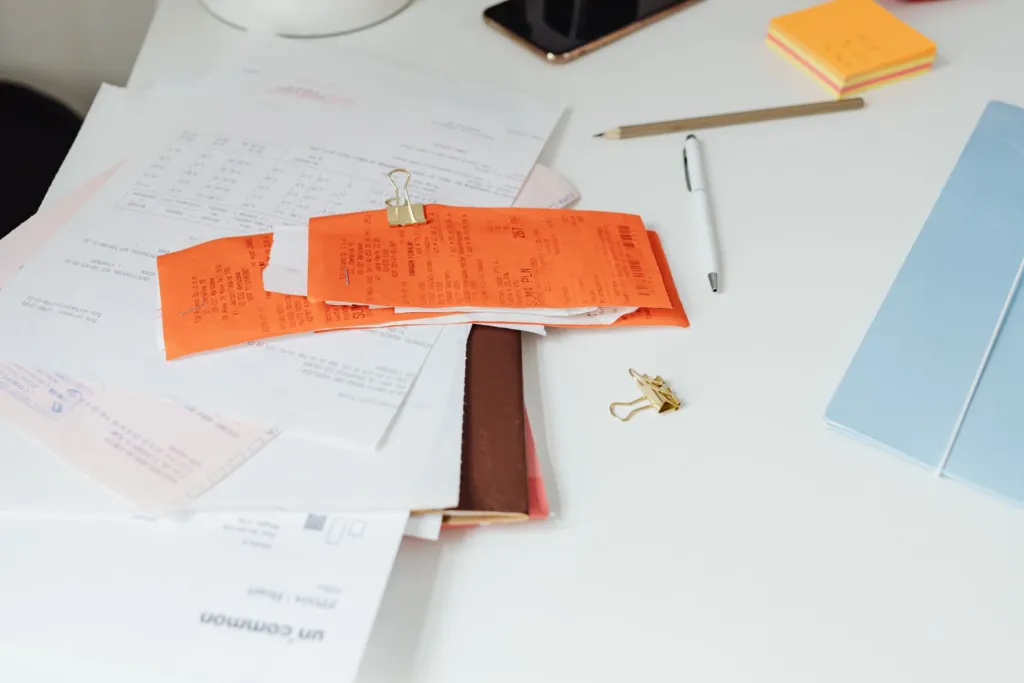
Bookkeeping has a reputation for being dull, yet it is the habit that tells you whether your business is actually making money. Good records also make tax time calmer, help you spot problems early and give you real numbers when you talk to a lender or investor. The good news is that the basics are simple. This guide covers what to set up in your first weeks and how to keep it running with a short monthly routine.
Rules on record keeping and tax differ by country and business type, so treat this as general guidance and check the requirements of your local tax authority or a qualified accountant.
Bookkeeping vs Accounting
Bookkeeping is the day-to-day recording of transactions: every sale, purchase, payment and receipt. Accounting uses those records to prepare financial statements, plan taxes and analyse performance. Many owners handle their own bookkeeping and bring in an accountant for year-end work and advice. Either way, the accountant can only be as accurate as the records you keep.
Five Foundations to Set Up First
1. Separate business and personal money
Open a dedicated bank account, and a separate card if possible, for the business. Mixing personal and business spending is one of the most common sources of bookkeeping headaches, because every statement then needs sorting line by line.
2. Choose a system
A spreadsheet is enough for a very small business with few transactions. As volume grows, accounting software can connect to your bank feed, create invoices and produce reports automatically. Pick something you will actually open every week.
3. Decide on cash or accrual records
Under the cash method, you record income when money arrives and expenses when you pay them. Under the accrual method, you record them when they are earned or incurred, even if payment comes later. Cash is simpler for many small businesses, but some are required to use accrual, so confirm which applies to you.
4. Create simple categories
Group expenses into a short list of categories such as materials, software, marketing, travel, rent and professional fees. Use the same categories every month so you can compare periods.
5. Keep every receipt
Photograph or scan receipts as soon as you get them and store them in a folder organised by month. Many authorities accept digital copies, but check how long you must keep them; several years is common.
The Key Records to Keep
| Record | What it shows | Why it matters |
|---|---|---|
| Sales and income | Every invoice and payment received | Shows revenue and who still owes you money |
| Expenses | Every purchase with date, amount and category | Supports deductions and reveals where money goes |
| Bank statements | All money moving in and out | Used to check your records match reality |
| Invoices sent | Numbered invoices with due dates | Helps you chase late payments |
| Payroll records | Wages, deductions and payments to staff | Required if you employ people |
A Simple Monthly Bookkeeping Routine
- Record all transactions from the past month, or check that your software has imported them.
- Match receipts to each expense and file any that are missing.
- Reconcile your bank account: confirm the balance in your records matches the bank statement and investigate any difference.
- Review unpaid invoices and send polite reminders.
- Set aside money for taxes in a separate savings account so the bill is not a surprise.
- Look at the numbers: compare income and expenses with the previous month and note anything unusual.
If you spot the same problem every month, such as receipts that keep going missing or clients who always pay late, change the process rather than fixing it by hand each time. A receipts folder on your phone or automatic invoice reminders can remove the issue at its source.
Blocking out an hour on the same day each month turns this into a habit rather than a scramble.
Reports Worth Understanding
You do not need to be an accountant to read three basic reports. A profit and loss statement shows income minus expenses over a period. A balance sheet lists what the business owns and owes at a point in time. A cash flow statement tracks the actual movement of money, which matters because a profitable business can still run short of cash if customers pay late.
Your numbers also feed into pricing. If you sell your time, our guide on how to set your freelance rates shows how to use your real costs to choose a rate.
When to Get Professional Help
Consider an accountant or bookkeeper when you hire staff, register for sales taxes, have inventory to track, or simply find that the books take more time than you can spare. A professional can also set up your system correctly from the start, which saves effort later.
Find more planning and productivity articles in our business guides.
Frequently Asked Questions
How often should I update my books?
Weekly is ideal for most small businesses, with a fuller review and bank reconciliation once a month. Updating little and often keeps details fresh and stops receipts from piling up.
Can I do my own bookkeeping?
Many owners do, especially in the early stages. A clear system, separate accounts and a regular routine are what matter most. Ask an accountant to check your setup once a year or when your business changes.
What is bank reconciliation?
It is the process of comparing your bookkeeping records with your bank statement to make sure they match. Differences often reveal missing entries, duplicate payments or bank fees you had not recorded.
Do I need accounting software?
Not at first. A well-organised spreadsheet can work for a business with few transactions. Software becomes useful when you send many invoices, want bank feeds or need reports quickly.
Start with a separate account and a receipts folder this week, and build from there. You can find more practical guides on Rashywings.com.