To read a contract before signing, slow down and go through the whole document, not just the summary. Check who the parties are, what you will pay in total, what you will receive, how long the deal lasts and how you can cancel. Ask about anything unclear, make sure every promise is in writing, and get legal advice for anything high-stakes.
This Rashywings.com guide walks you through a simple, step-by-step way to review everyday contracts, from phone plans and gym memberships to rental agreements and service deals.
Key Takeaways
- Read the entire contract, including the fine print, before you sign.
- Focus on total cost, what you get, contract length and how to cancel.
- Get every verbal promise written into the contract and fill in all blank spaces.
- Never sign under pressure; you can take time and ask questions.
- Keep a signed copy and talk to a lawyer about major or complex agreements.
Why Reading a Contract Matters
A signed contract is usually a binding commitment. Once you sign, it generally cannot be changed or cancelled unless both sides agree, or the law gives you a specific right to do so.
That is why the few minutes you spend reading now can save you money, stress and arguments later. Most problems with contracts come from terms people did not notice, not terms they disagreed with.
Before You Start Reading
Set yourself up to read carefully. Rushing is the biggest enemy of a good contract review, so the Rashywings.com method starts with a little preparation.
Ask for the Document in Advance
Request a copy before the meeting or appointment where you are expected to sign. Reading at home, without someone waiting, makes it far easier to concentrate.
Have the Right Tools Ready
Keep a pen, a highlighter and a notepad nearby. Mark anything you do not understand and write your questions down as you go.
A Step-by-Step Way to Review a Contract
Work through the contract in this order. It covers the parts that most often cause problems.
- Check the parties. Make sure your name and the other party’s legal or business name are correct.
- Confirm what you are getting. Look for a clear description of the goods or services, quantities and deadlines.
- Add up the total cost. Include fees, deposits, interest, taxes and any automatic price increases.
- Find the length and renewal terms. Note the start date, end date and whether the contract renews automatically.
- Read the cancellation section. Learn how to cancel, how much notice you must give and what it costs.
- Look at what happens if things go wrong. Check late fees, penalties, warranties and how disputes are handled.
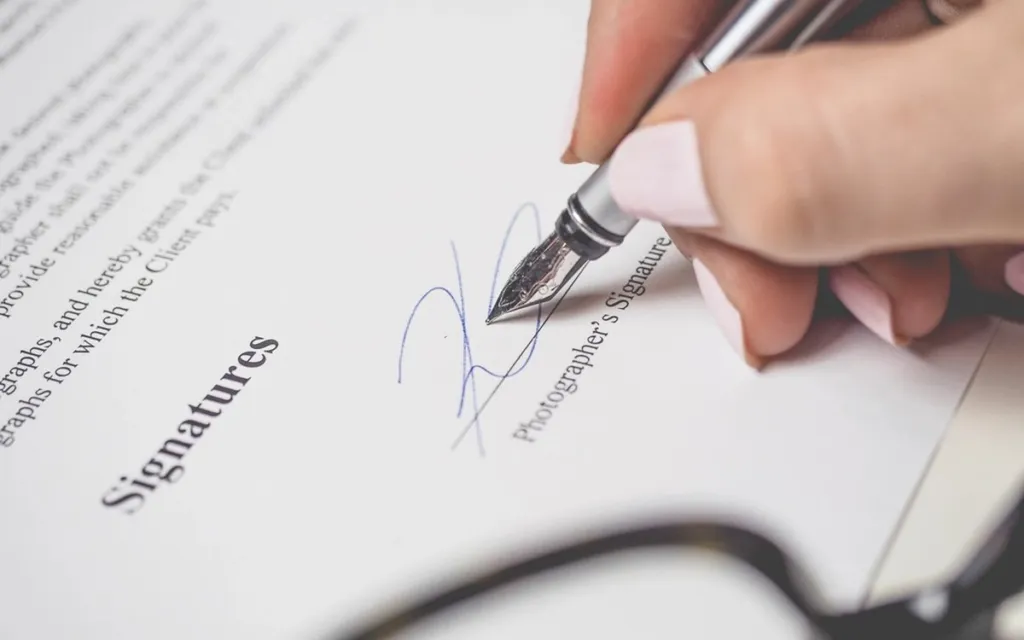
- Review the signatures and dates. Make sure the right people sign and nothing is left blank.
Saskatchewan’s Financial and Consumer Affairs Authority advises consumers to read the whole contract and check the total costs, what they are getting and how to cancel before signing.
Key Clauses to Look For
Contract language can feel dense. The table below explains common clauses in plain terms and what to check in each one.
| Clause | What It Means | What to Check |
|---|---|---|
| Payment terms | How much you pay, when and how | Due dates, late fees and any price changes over time |
| Term and renewal | How long the contract lasts | Whether it renews automatically and how to stop it |
| Termination or cancellation | How either side can end the agreement | Notice periods, cancellation fees and refund rules |
| Liability and indemnity | Who is responsible if something goes wrong | Whether you are taking on more risk than is fair |
| Dispute resolution | How disagreements will be settled | Whether you must use arbitration and where it takes place |
| Confidentiality or non-disparagement | Limits on what you can share or say | Whether it stops you posting honest reviews or comments |
| Changes to terms | Whether one side can update the contract | How you will be told and whether you can leave |
Pay special attention to definitions. Words like “service”, “business day” or “fee” may have a specific meaning inside the contract that differs from everyday use.
Red Flags That Mean Slow Down
Some warning signs suggest you should pause, ask more questions or walk away. Watch out for:
- Pressure to sign today to “lock in” a deal.
- Verbal promises that do not appear anywhere in the document.
- Blank spaces that could be filled in after you sign.
- Vague descriptions of what you will actually receive.
- Fees or penalties that are hard to find or understand.
- Refusal to answer questions or give you time to read.
The Financial Consumer Agency of Canada recommends that you get every verbal promise in writing and complete all blank spaces so details cannot be added later.
Negotiating and Asking Questions
Many everyday contracts can be negotiated. If a term does not suit you, ask whether it can be changed or removed.
If both sides agree to a change, cross out or edit the term and have both parties initial it. Ask for the final version so you are not relying on memory.
Contracts often involve money, so it helps to know what you can afford before committing. Our finance guides cover budgeting and everyday money decisions.
After You Sign
Your job is not quite done once the ink is dry. A little organisation now makes it easier to enforce your rights later.
- Keep a full signed copy, either on paper or as a secure digital file.
- Note renewal dates and cancellation deadlines in your calendar.
- Save receipts, emails and other messages linked to the agreement.
Many contracts are now signed online through accounts and portals. Protect those logins with our guide on how to create strong passwords.
A calm start to the day also makes careful reading easier. Try our simple morning routine ideas if you want to set aside quiet time for paperwork.
When to Get Legal Advice
For simple, low-cost agreements, careful reading is often enough. For bigger commitments, professional advice is well worth it.
Consider speaking to a lawyer before signing employment contracts, leases, loan agreements, business partnerships, property purchases or anything with large sums or long time frames.
Legal note: This article is general information, not legal advice. Laws differ between countries and regions, so consult a qualified lawyer or local consumer protection body about your specific situation.
You can find more plain-language explainers in our law section, or explore more practical guides on Rashywings.com.
Frequently Asked Questions
Can I cancel a contract after I sign it?
Sometimes. Some contracts and local laws give you a short cooling-off period to cancel without penalty, often for doorstep or online sales. Outside that window, cancelling usually depends on the contract’s own terms and may involve fees. Check the cancellation clause and your local consumer protection rules before you sign.
Is an email or online agreement a real contract?
In many places, yes. Agreements made by clicking “I agree”, signing electronically or confirming terms by email can be legally binding, just like paper contracts. Treat online terms with the same care: read them, save a copy and note any renewal or cancellation dates before you accept.
What should I do if I don’t understand a clause?
Ask the other party to explain it in plain language, and ask for the explanation in writing if it matters. You can also ask for the wording to be changed. If you still feel unsure, especially when large sums are involved, have a lawyer review the contract before you sign.
Do I have to sign a contract on the spot?
No. In most situations you are free to take the contract away, read it properly and come back later. Pressure to sign immediately is a common warning sign. A trustworthy business should give you reasonable time to review the terms and ask questions before you commit.