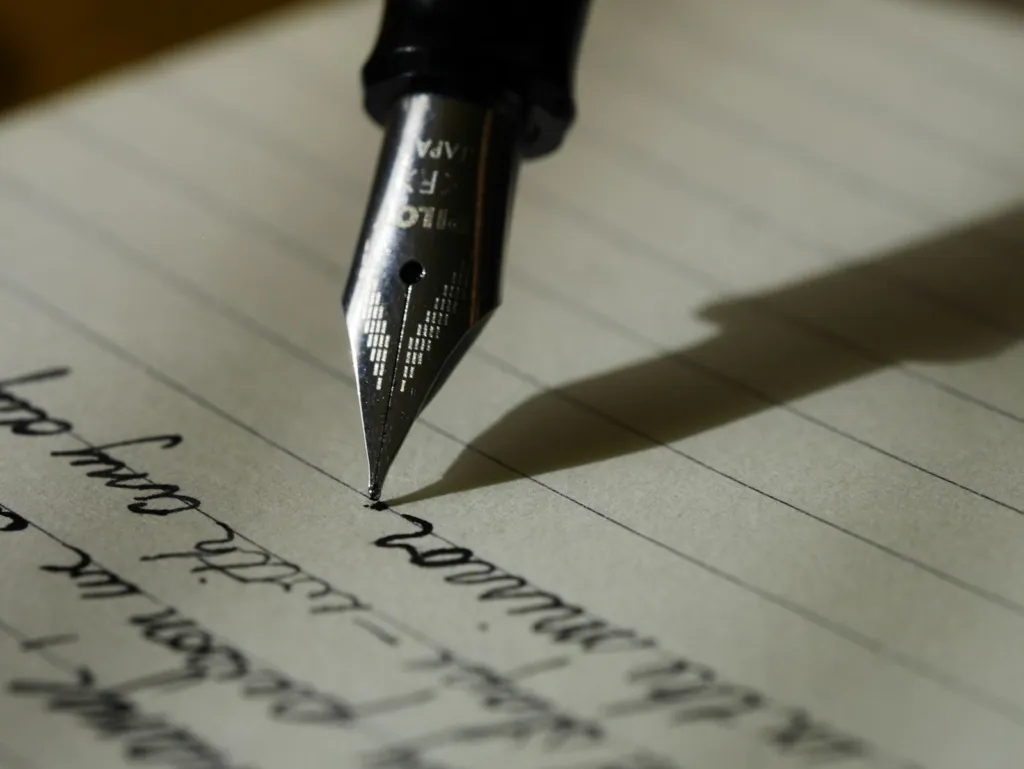
Most of us can remember the feeling. An envelope on the doormat with our name written by hand, not printed by a machine. Before we even open it, we already know that someone sat down, found a pen and thought about us for a while. In an age of instant messages, that small moment has become surprisingly rare, and perhaps that is exactly why it still matters.
A Message That Takes Its Time
We send dozens of messages a day without a second thought. They are quick, convenient and often essential. A letter is different because it cannot be rushed. We have to choose the paper, find the words, cross some of them out and start again. We have to buy a stamp and walk to a postbox.
All of that effort is part of the message. When someone receives a letter, they are not only reading the words on the page; they are holding proof that the writer gave up a little of their time. That is something a quick text, however warm, rarely conveys in the same way.
Paper Remembers
Think about what gets kept in drawers and shoeboxes: birthday cards, postcards from holidays, notes left on the kitchen table. They survive house moves and phone upgrades. Years later, the handwriting itself brings a person back, with their loops, slants and spelling quirks.
Digital messages can be saved too, but they tend to vanish into long threads or old devices. A letter sits quietly in a box until the day we need it, and then it is there, exactly as it was written.
What Writing by Hand Does for the Writer
Letters are not only a gift to the person who receives them. Writing slowly changes how we think. Without a delete key, we tend to pause before each sentence. We notice what we actually want to say. Many people find the process calming, a few quiet minutes away from screens and notifications.
A letter can also make difficult words easier. Thanks, apologies and sympathy often feel awkward to say out loud, yet on paper we can take our time and say them properly.
Moments When a Letter Says More
Not every message needs to be handwritten. But there are moments when a letter or card carries extra meaning:
- Thank-you notes after a gift, a favour or a kind gesture.
- Condolences, when a few sincere words can offer real comfort.
- Milestones such as birthdays, graduations, new jobs or new babies.
- Keeping in touch with older relatives who may prefer post to messaging apps.
- Letters to our future selves, sealed and opened years later.
- Notes for children tucked into lunchboxes or left on a pillow.
How We Can Start Writing Again
Keep It Simple
A letter does not need to be long or beautifully written. A few honest lines on a plain card are enough. Begin with why we are writing, share a small piece of news or a memory, and finish with a warm wish.
Make It Easy to Do
Keeping a small stash of cards, envelopes and stamps at home removes most of the effort. When the urge to write appears, everything is ready.
Build a Gentle Habit
Some people write one letter a month; others send postcards whenever they travel. Choosing a rhythm that feels light, rather than a strict target, keeps it enjoyable.
Do Not Worry About Handwriting
Nobody expects calligraphy. Messy handwriting is still personal handwriting, and that is the point.
The Small Rituals Around a Letter
Part of the pleasure lies in everything that surrounds the writing itself. Choosing a card that suits the person. Finding a quiet corner and a decent pen. Reading the letter back once before folding it, and perhaps adding a last line in the margin because we remembered something important.
Then there is the waiting. A letter takes days to arrive, and the reply, if one comes, takes longer still. In a world where we expect answers within minutes, that slower rhythm can feel strange at first. Yet it also gives a letter weight. When a reply finally lands on the mat, it feels like an event, something to open with a cup of tea rather than glance at between other tasks.
Slow Things in a Fast World
Handwritten letters belong to a wider group of slow, small pleasures: a walk without headphones, a meal without screens, a conversation that is not interrupted. None of them are dramatic, but together they make everyday life feel more grounded. We explore more of those quiet moments in our piece on finding joy in the small moments of an ordinary day.
So perhaps this week is a good time to write one. A short note to a friend, a grandparent or an old neighbour. It will take ten minutes and a stamp, and it might end up in someone’s keepsake box for years.
For more reflective reads, browse our stories collection, or discover more everyday guides on Rashywings.com.
Questions About Writing Letters
Are handwritten letters still appropriate today?
Yes. Letters and cards remain a thoughtful way to say thank you, offer sympathy or mark a milestone. They are especially welcome when someone values a personal touch or prefers post to digital messages.
What should I write in a letter if I do not know what to say?
Start simply: say why you are writing, share a recent piece of news or a happy memory, and end with a kind wish. A few sincere sentences are better than a long letter that feels forced.
How can I encourage children to write letters?
Give them colourful paper, stickers and stamps, and suggest someone who will reply, such as a grandparent or pen pal. Receiving a letter back is often the best motivation.