It is ten minutes before you need to leave, and your keys are nowhere to be found. You check your coat, the kitchen counter, the sofa cushions and yesterday’s bag. By the time they turn up in the bathroom, you are late and flustered. Almost everyone knows this routine, and the good news is that it rarely comes down to a bad memory. Most of the time, it comes down to the lack of a system.
The hacks below are small, cheap and easy to start today. None of them needs special equipment. Together, they turn “Where did I put it?” into a question you hardly ever need to ask.
Why Everyday Items Go Missing
Keys, phones and wallets travel with us all day. They get put down in a hurry while our attention is elsewhere. Because the action happens on autopilot, the brain never really records where the item went.
That means the fix is not to try harder to remember. The fix is to make the right place so obvious and so easy that your hands go there automatically, even when your mind is busy.
Give Every Item One Landing Spot
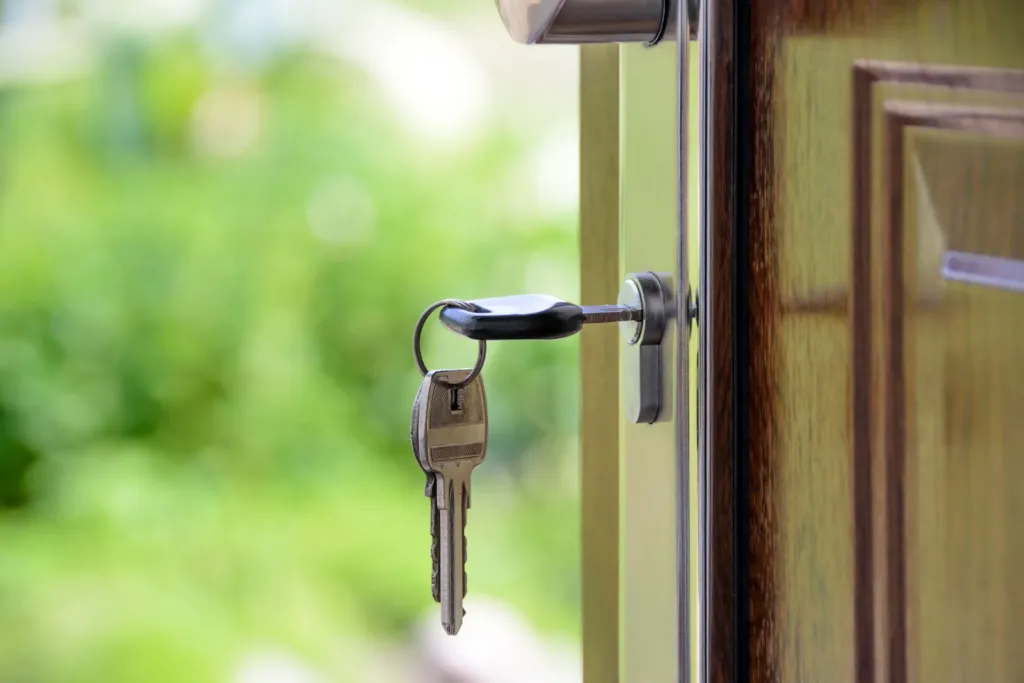
The single most effective hack is a “landing spot”: one fixed place near the door where keys, wallet and phone always go when you come home.
Choose the right place
Pick a spot you pass every time you walk in, such as a small shelf, a hook beside the door or a tray on a hallway table. If you have to detour to reach it, you will skip it on busy days. Keep it out of sight of windows and away from the letterbox, so keys are not on display.
Make it hard to miss
A shallow bowl, a wall hook or a small basket works better than an open surface, because it gives each item a clear “home”. Some people like a charging point beside the tray, so the phone is charged and ready by morning without wandering off to a bedside table.
Keep the spot clear
A landing spot only works if it stays a landing spot. Once it fills up with receipts, sunglasses and loose change, keys disappear under the clutter. Empty it once a week, and give other items their own homes nearby.
Use a Quick Doorway Check
A short, spoken check as you leave catches most mistakes before they become a problem. Many people tap each pocket and say the items out loud. It may feel a little silly at first, but it works because it moves the task from autopilot into conscious attention.
- Phone: in your hand or the same pocket every time.
- Keys: on one ring, in one pocket or one bag compartment.
- Wallet or card holder: in a zipped or buttoned pocket.
- Anything extra for the day: a pass, glasses, medicine or a packed lunch.
Saying the list in the same order every day turns it into a habit within a few weeks. A small note on the inside of the front door can help while the routine is new.
Habits That Help When You Are Out
One pocket, one item
Decide which pocket or bag section holds each item and stick to it. When your phone always lives in your left pocket, you notice immediately when it is not there. If you change bags often, choose a bag organiser or pouch that moves with you, so the layout stays the same.
Pause before you stand up
Phones and wallets are often left on café tables, train seats and taxi back seats. Make a habit of glancing back at your seat each time you stand up. It takes two seconds and saves a lot of trouble.
Use Technology Sensibly
Most smartphones have a built-in “find my device” feature that can show the phone’s last known location or make it ring. Check that it is switched on and that you know how to use it from another device or a web browser before you need it. Small Bluetooth tracker tags can also be attached to keys or slipped into a wallet, and many work with a phone app to show where the item was last seen.
What to Do When Something Is Missing
When an item does go missing, a calm, step-by-step search is faster than a frantic one. Start by retracing your last few actions out loud, then check the “usual suspects”: coat pockets, yesterday’s bag, the car, the kitchen counter and the bathroom. Search one room at a time and finish it before moving on. If a wallet or phone is truly lost outside the home, contact your bank to freeze cards, use the device-finding feature, and report it to the place where you last had it.
It is also worth keeping a spare house key with a trusted neighbour or family member, and a note of your card helpline numbers somewhere other than your wallet.
If you enjoy small changes that make daily life smoother, our guide to cable and charger organization hacks uses the same “one home for everything” idea for the tangle of wires in most homes. You can browse more ideas in the Life Hacks section, and find more practical guides on Rashywings.com.
Frequently Asked Questions
Where is the best place to keep keys at home?
Keep them in one fixed spot near the door you use most, such as a hook, a small tray or a bowl on a shelf. It should be on your natural path so you use it without thinking, and out of view from windows and the letterbox for security.
How long does it take to build the habit?
It varies from person to person, but many people find the routine starts to feel automatic after a few weeks of steady practice. Saying the items out loud and keeping the landing spot clear both help the habit form faster.
Are Bluetooth trackers worth it?
They can be useful if you often misplace keys or a bag, or if you travel a lot. They work best as a backup to good habits. Check that the tracker works with your phone and that you know how to use its app before relying on it.
What should I do first if I lose my wallet?
Contact your bank or card provider straight away to freeze or cancel the cards, then retrace your steps and call places you visited. Report the loss to local police if your area requires it, and replace any ID documents through the official issuing office.